Backup Plans for Outdoor Weddings: Weather, Tents, and Vendor Coordination
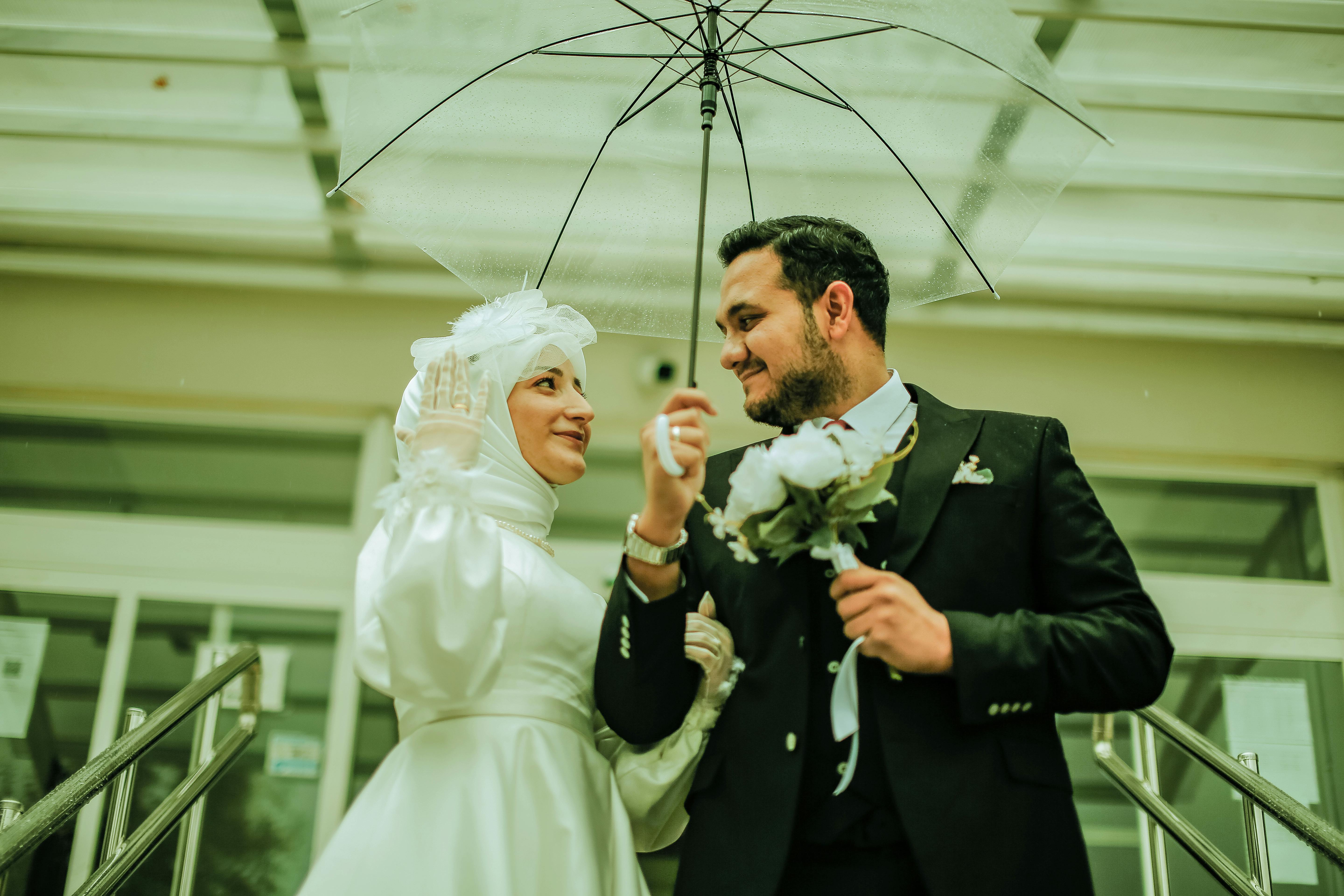
Backup Plans for Outdoor Weddings: Weather, Tents, and Vendor Coordination
Outdoor weddings are magic—golden light, fresh air, big open vibes. But nature doesn’t care about your timeline. A solid backup plan isn’t “negative thinking,” it’s how you keep the day stress-free even if the forecast goes sideways.
Here’s a practical, no-drama guide to building a weather-ready plan with smart tent choices and vendor coordination that actually works.
1) Start With the Right Mindset: “Plan B” Should Feel Like Plan A
The best backup plans aren’t obvious backups. They’re equally beautiful options you’d be happy with—so if you switch, it doesn’t feel like a downgrade.
Your goal:
Guests stay comfortable
Timeline stays intact
Photos still look amazing
Vendors don’t scramble last minute
2) Weather Planning: What to Watch (and When to Decide)
Don’t just check rain—check these four
Rain chance + intensity (light drizzle vs. downpour matters)
Wind (tents + décor + sound setups hate wind)
Temperature (heat or cold changes guest comfort fast)
Ground conditions (soft grass = sinking heels + muddy walkways)
Set decision deadlines (this is huge)
Pick clear “call times” so everyone knows when decisions become final:
10–7 days out: Confirm tent rental hold, flooring options, heater/fan availability
72 hours out: First official go/no-go review with planner + venue + tent company
24 hours out: Final decision, lock layout, vendor setup instructions updated
Pro tip: If your ceremony is on grass, treat “heavy rain within 24–48 hours” as a bigger risk than “rain during ceremony.” Wet ground causes most outdoor chaos.
3) Tents: Choose the Right Type for Your Wedding Style (and Weather)
A tent isn’t one thing—your choice affects cost, comfort, and how “premium” it feels.
Frame tents (great for tricky spaces)
No center poles (more open floor plan)
Good for tighter or uneven spaces
Generally stable, fast to install
Pole tents (classic, romantic look)
Tall peaks, elegant silhouettes
Requires staking into ground (not ideal everywhere)
Center poles may impact layout
Clear-top tents (beautiful, but plan for heat/cold)
Stunning at night with lights
Can turn into a greenhouse in sun
Can feel chilly if weather drops—need heaters
Sailcloth tents (popular for “luxury outdoor” vibe)
Soft, glowy, photogenic
Not always ideal for extreme weather
Often premium pricing